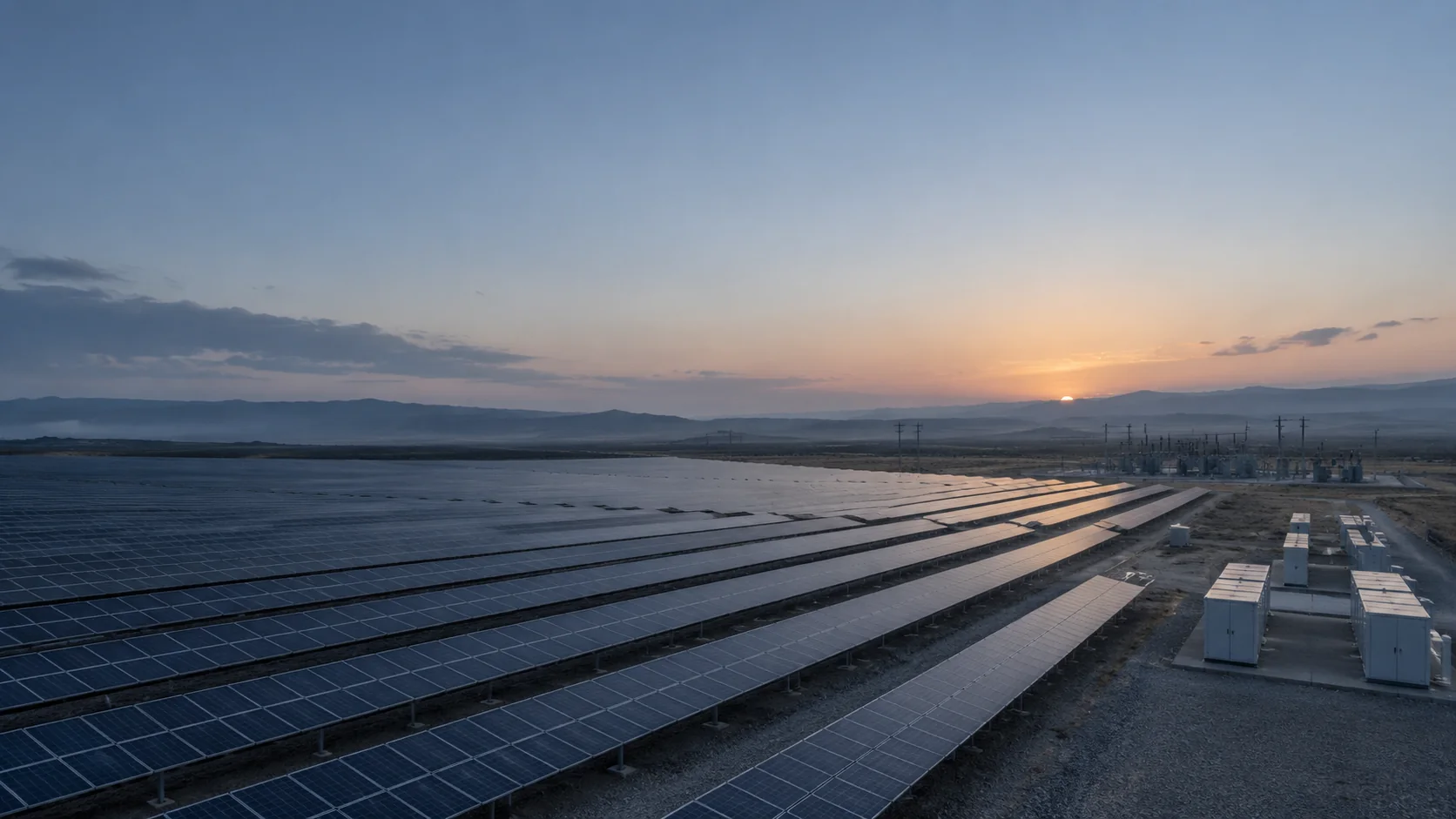
Energy systems
Power is onlypart of the picture.
Solar and storage estimates begin with the system, then follow the connections that make it work.
Explore the estimating fundamentalsFrom rating to scope
A system, not a single piece of equipment.
I start by identifying what the stated capacity means, where the estimate begins and ends, and which design decisions still need to be made.
Battery energy storage
Power, energy, and discharge duration describe different aspects of the system. The estimate also needs a clear basis for equipment configuration, auxiliary loads, and the electrical interface.
Solar photovoltaics
DC array capacity and AC inverter capacity serve different purposes. Module and inverter counts, physical layout, and collection routes turn those ratings into a construction scope.
The balance of the system
Foundations, raceways, cable, grounding, protection, controls, and commissioning connect major equipment into an operable installation.
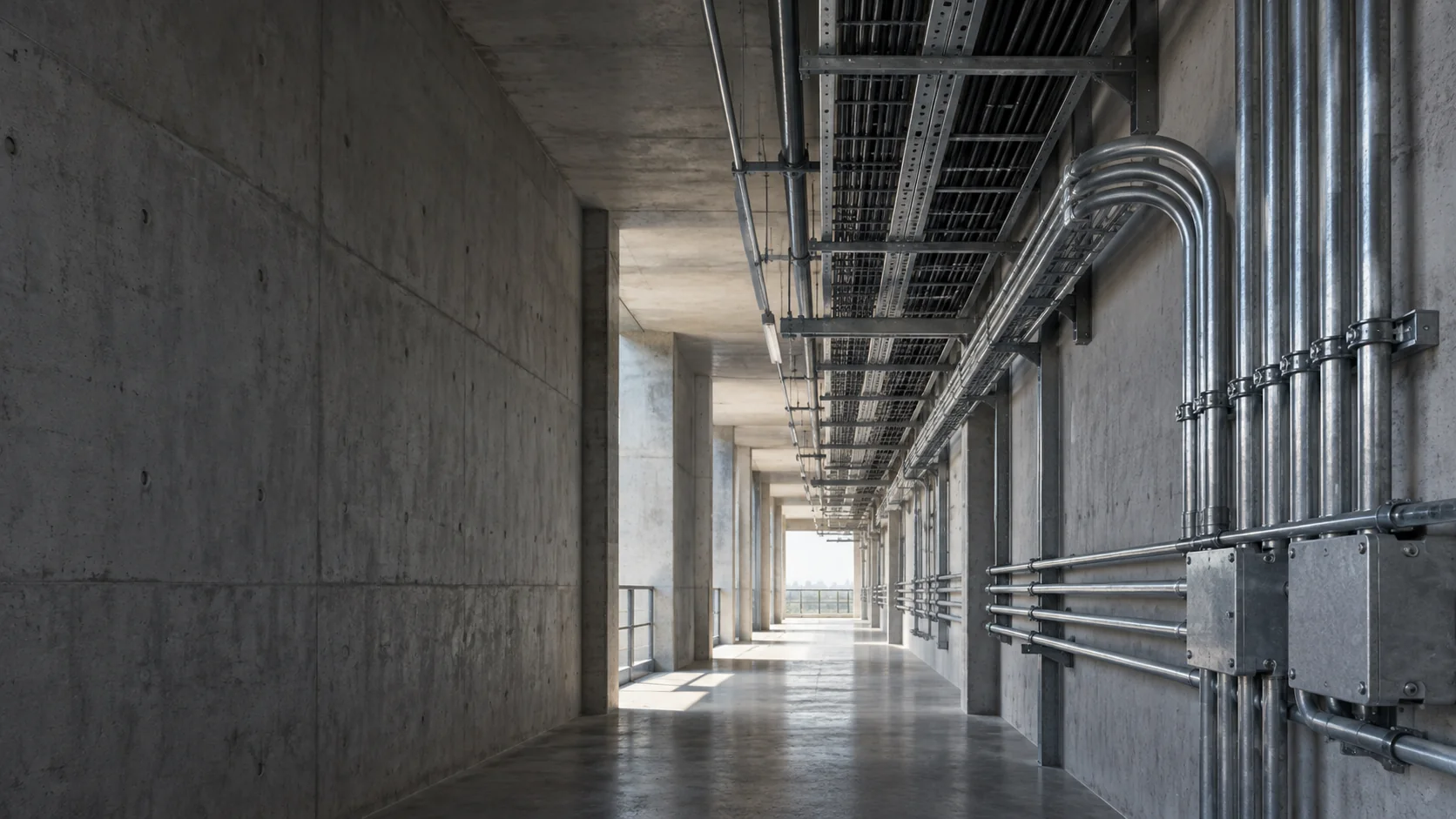
Follow the energy.
Then follow the work.
Two projects with the same capacity can require very different quantities, interfaces, and construction effort.
Conceptual system imagery
A practical approach
Make the boundaries visible.
The basis should identify the equipment ratings, site conditions, utility interface, and lifecycle scope. Open decisions belong alongside the estimate.
- 01
Define
Capacity and operating basis
- 02
Configure
Equipment and system layout
- 03
Connect
Electrical and civil interfaces
- 04
Review
Scope gaps and uncertainty
Electrical estimating & systems
The thinking behind the number.
A clear scope. Visible assumptions. An estimate that can be explained.
Explore estimating 101